 QORPO
One Life's first playtest: what a small build can tell us
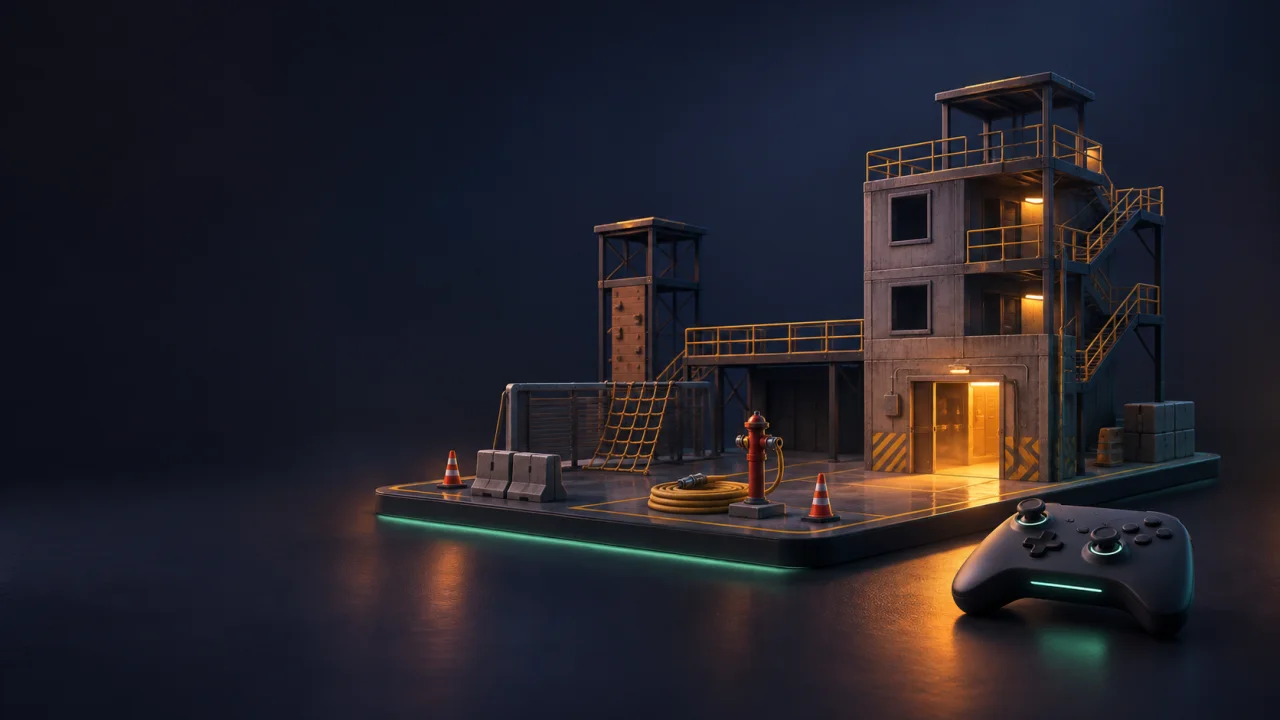
QORPO describes One Life as a shooter experiment that uses existing Citizen Conflict technology and an AI-assisted development workflow. The studio's public One Life page lists the first community playtest as the next milestone. The useful question for that milestone is whether someone outside the team can read a situation, make a decision and understand its consequences without a developer explaining the controls over their shoulder.
Start with the part a new player can judge
The public page describes early work on movement, weapons, a vehicle and a firefighter-themed crew. Those are different kinds of progress. A character render tells you something about the visual direction. A movement clip shows what happened during the recorded input sequence. A playable build lets someone try the things the clip skips: stopping halfway through a doorway, turning around under pressure, or trying the same action twice from a different angle.
That distinction matters when a project shares its work in public. Follow QORPO's studio feed to see what the team is working on. For a playtest, check the build announcement and its instructions first. The timeline is a good way to find a change. The build and what you observe in it are what make your feedback reproducible.
What should a first playtest answer?
Start with one short section and three questions. Where did you think you were supposed to go? What did you think your next action would do? What did the game show you after you tried it? Those answers are more useful if they come from the first attempt, before the player has memorized the space.
Imagine a prototype room with two visible exits. The left door has a bright light above it, while the right one is the intended route. Three players independently head left and pull back when they realize the door has no interaction. The useful observation is that the lighting implied a route. Asking whether the level was too hard would miss the reason they stopped. A second pass can try a change to the door, its lighting or the first sightline and check whether players now understand the choice.
This is a model test scenario. The room and the exits are illustrative. The same method applies to movement, weapon feedback and other mechanics that appear in an announced test build.
What does reusing existing technology change?
A prototype that starts from an existing game can bring over working parts of the development stack. A familiar input system or asset pipeline gives the team somewhere to begin. It also brings assumptions that deserve a fresh look. A movement speed tuned for one shooter can change how exposed a player feels in a smaller space. A camera response built for one rhythm of combat can make another rhythm feel abrupt.
For the tester, the job stays simple. Describe how the build behaves in your hands. If a corner feels awkward to clear, write down where you were, which direction you moved and what the camera did. If it feels good, capture the same sequence. The team then has a case worth preserving while it adjusts other parts of the game. The QORPO Studio background gives context on the projects and experience behind the experiment.
What makes a report useful?
Record the build identifier if the game shows one, and include your input device when it matters. Pick a short sequence. Give the expected result, the visible result and whether you could repeat it. If performance is the issue, mention what changed on screen, such as a new area loading or the first shot of an encounter, and include your settings if you can.
For example: “On my first attempt I turned right after the doorway. I expected the camera to follow the turn. It caught up after I stopped moving. The same thing happened twice on a controller.” This is easier to investigate than “movement feels off.” It leaves the cause open and gives the team something concrete to reproduce. The guide to checking Early Access patch notes covers how to make sure a report refers to the right build.
Where should I check for the playtest?
Use the One Life section on the QORPO site for the public milestone and follow the official channels listed there for build announcements. Once a test is announced, start with a fresh attempt and write down the first moment you had to guess. That one observation can give the next build a clear job.