 QORPO
AneeMate capture slots: why interruption recovery matters
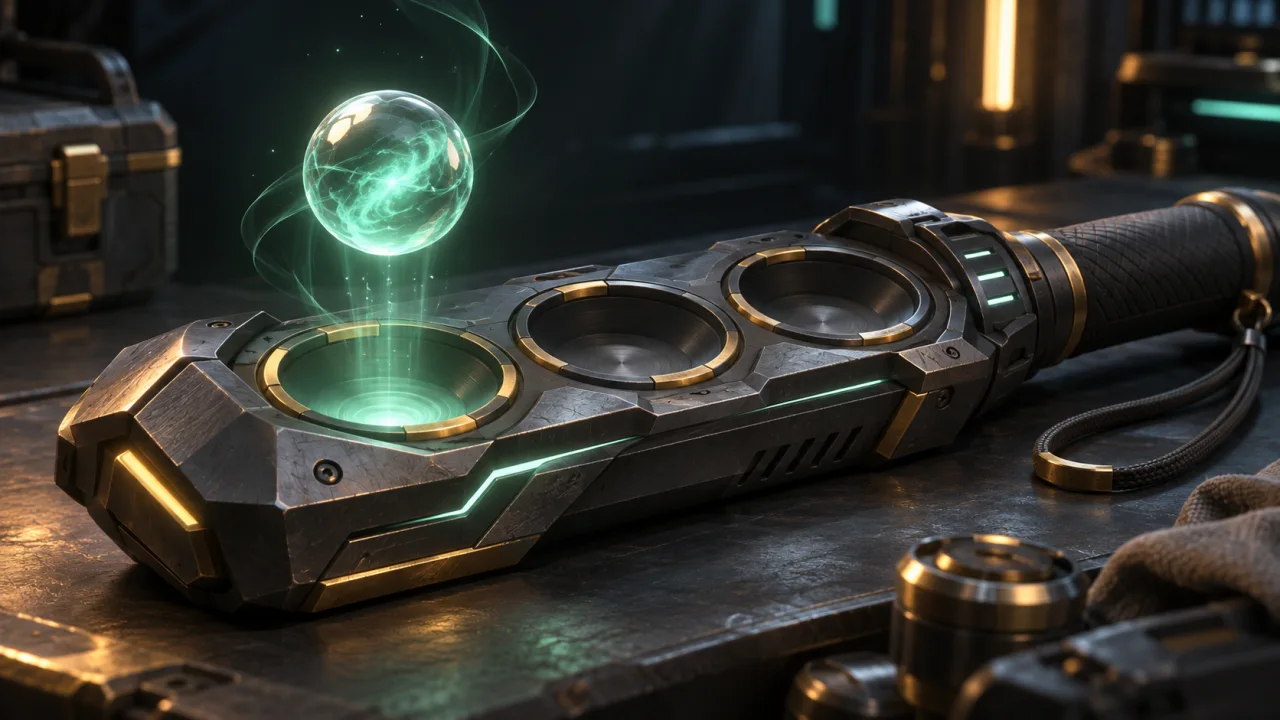
AneeMate’s 0.1.5-ce update frees capture slots when an attempt is interrupted by death, a body switch, opening a menu or the creature disappearing. The practical benefit is straightforward: a catch that does not finish should not leave the next attempt blocked by an occupied slot.
The change is listed in the 6 November development report. It is a released correction described by that report. This article explains its player-facing purpose and proposes a focused review method. It does not claim a new game test or expose an internal implementation that has not been verified.
A failed catch and a blocked slot are different outcomes
A creature can escape an attempt without the equipment being broken. Conversely, an interrupted attempt can reveal a recovery problem even before the player has another chance to catch anything. Those outcomes need different descriptions.
For the player, the useful question is whether the next valid attempt remains available after the interruption ends. Capture success itself depends on the relevant game conditions. Recovering a slot should not be interpreted as a free catch, an improved rarity roll or a refund of every resource involved.
Our build-check guide explains why a report should name the installed version. A change documented for one release is difficult to assess from a clip that omits the version and the action immediately before the failure.
Review one interruption at a time
A useful acceptance check starts with a normal attempt in a known build. Record the visible slot state before starting, then create one interruption and inspect the state after returning to ordinary play.
Opening a menu is a particularly clear first case because the reviewer can describe it without arranging a defeat. The question remains narrow: after closing the menu, does an old occupied state incorrectly prevent a subsequent valid capture attempt?
Do not add a body switch, a menu transition and a disappearing creature to the same first reproduction. If the result is wrong, that sequence leaves several possible causes. Separate short cases are easier to compare and less likely to make an intermittent problem look universal.
A model example for a development review
Consider this hypothetical review, not a recorded studio playtest. An attempt begins, the player opens a menu, then returns to play. The original target is no longer available, but the interface still appears to show a busy slot. A second valid attempt cannot start.
The reviewer records the last clear state before the menu, the first state after it and the blocked action. A useful expected result is that the interrupted attempt no longer reserves the slot. The expected result says nothing about granting the missing creature or changing the player’s inventory balance.
Now repeat the case with a different interruption. If menu recovery works but a disappearing target remains blocked, the report should preserve that distinction. “Capture recovery fails after the target disappears” is a more useful finding than “catching is broken.”
Recovery should survive repeated use
A single successful recovery establishes one observed case. It does not show that repeated interruptions behave consistently. A short follow-up can alternate a normal attempt with the same interruption and check whether an old busy state returns.
Keep the route and equipment stable while doing this. Changing the target species or capture setup at every repetition makes the observations harder to interpret. Record how many attempts were actually observed and avoid turning a small sample into a reliability percentage.
The same discipline applies when using AI to help draft a test outline. The proposed cases still need human review and actual execution. Our guide to reviewing generated game code separates a plausible implementation from evidence that the behaviour works.
What a useful player report contains
Include the build, whether the session was solo or co-op, the interruption used and the next action that stayed unavailable. If the interface displayed a busy slot, show that state rather than describing only the final error.
For a clip, begin before the interrupted attempt and continue until the next action. That context helps distinguish a stale visual indicator from a real restriction. Avoid assuming which subsystem caused it merely because the symptom appears in the interface.
See visual bug reproduction for a concise recording approach. The goal is enough context to reproduce the problem without an unnecessarily long video.
Does this change capture strategy?
It improves recovery from interrupted attempts. Element choice and capture preparation remain separate subjects. The release report also describes the advantage of a correctly matched Yipee, but this slot correction does not establish a new capture formula.
If the next attempt is available again, continue using the normal catching rules. If it remains blocked, report the interruption and observed state. That gives the team a concrete recovery case to investigate.
Follow QORPO’s studio updates for product progress. The value of this correction is ordinary continuity: the player can return to exploring and catching after an interrupted moment.
Sources
- AneeMate weekly development report, 6 November 2026, released 0.1.5-ce capture recovery notes.